
Daily Deep Dive · 11 Mar 2026 · Lighting
Lot Spotlight: vintage five-sconce tulip shade chandelier (Lot 940) and the photo checks that matter before bidding on decorative ceiling lighting
Today’s Matthews Auctioneers lot is worth attention because the listing shows enough angles to judge shades, arms, chain, ceiling rose, and overall balance before bidding. That matters with decorative lighting: one glamour shot can sell the mood, but value still turns on whether the glass matches, the frame sits straight, and the electrified fittings look usable rather than merely present.
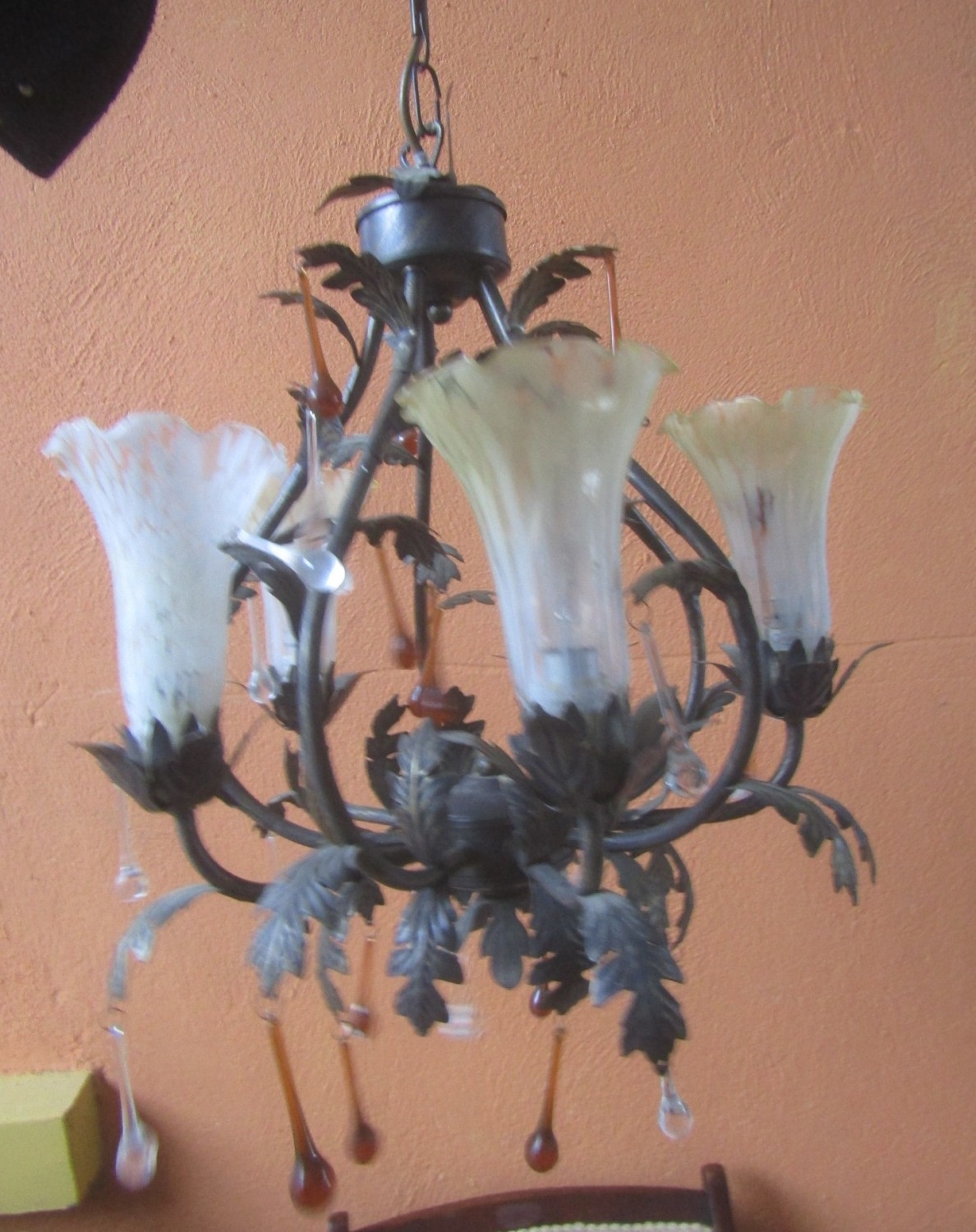
Primary live lot today
Vintage five-sconce tulip shade chandelier with electrified working order, ceiling chain, and rose, Lot 940
Auction house: Matthews Auctioneers
View live lot listing
Why this lot is interesting
This is the sort of lot decorators and trade buyers both understand instinctively. Five-light chandeliers with tulip shades hit a familiar sweet spot: period flavour, enough scale to change a room, and a broad buyer pool that ranges from country-house romantics to café, shop, and hospitality fit-out buyers who want ready-made atmosphere.
The reason this particular listing is useful is simple: Matthews Auctioneers show the chandelier from enough positions to inspect shape, shade consistency, drop, chain, and metalwork rather than relying on one distant room shot. Decorative lighting often disappoints when buyers discover bent arms, replacement shades, or messy rewiring after collection. Here, the photographs give you a fighting chance to spot those issues before you bid.
Who buys this and why
- Interior-led residential buyers: buying for mood, warmth, and the softness of tulip shades in dining rooms, hallways, and bedrooms where overhead lighting needs presence without feeling harsh.
- Dealers and salvage buyers: looking for honest period-style lighting they can clean, test, rewire properly, and resell if the shades, frame, and proportions all hold up.
- Hospitality and set-dressing buyers: attracted by the instant cinematic quality of multi-arm lighting, but only if fittings, drop, and installation practicality make commercial sense.
Photo checklist: what to inspect
- Shade matching: compare colour, shape, and rim profile across all five tulip shades. Mixed replacements hurt the look and the resale story immediately.
- Arm symmetry: check whether each arm sits at the same pitch and distance. A chandelier can photograph well from one angle while leaning badly from another.
- Ceiling rose and chain: inspect whether the suspension hardware looks original, complete, and proportionate to the body rather than improvised later.
- Electrical honesty: treat “working order” as a useful note, not a guarantee. Look for modern flex, messy joins, cracked lamp holders, or fittings that still need a proper electrician’s once-over.
- Metal finish: zoom in for corrosion, over-polishing, or paint loss where the frame, cups, and arm joints meet.
Comparator lots (same category)
- Matching vintage five-sconce tulip shade chandelier, Lot 941 — Auction house: Matthews Auctioneers. view lot
- Matching vintage five-sconce tulip shade chandelier, Lot 942 — Auction house: Matthews Auctioneers. view lot
- Cast brass circular-form ceiling lantern with inset glass panels, Lot 4 — Auction house: Matthews Auctioneers. view lot
UK media & culture context
Decorative chandeliers occupy a very British overlap between salvage taste, theatrical interiors, and television memory. They are the sort of objects that turn up in country-house settings, pub refurbishments, and screen sets because they do a lot of visual work very quickly. That cultural familiarity matters in the market: buyers are not only paying for illumination, they are paying for atmosphere.
- V&A chandelier search — useful UK museum context for how chandeliers are catalogued by material, form, and period rather than sold on mood alone.
- BBC search: chandelier — a handy reminder of how often chandeliers surface in British TV and news culture, including the still-famous Only Fools and Horses chandelier gag that keeps this kind of lighting lodged in the national imagination.
UK social / market pulse
No credible UK-only same-day social or pricing pulse for comparable decorative chandeliers was available this morning, so there is no reliable short-term market signal to cite today. Treat installation practicality, shade consistency, and rewiring cost as more important than mood-board fashion.
Bottom line
This is a strong teaching lot because the photo set lets you inspect the things that usually go wrong with decorative lighting. If the shades match, the arms stay true, and the electrical fittings look orderly enough to justify professional rewiring rather than rescue work, it is a persuasive decorative buy; if the symmetry feels off or the fittings look tired, bid as a parts-and-project chandelier only and keep collection plus electrician costs firmly inside your ceiling.
Editorial analysis for educational purposes only. Final bidding decisions, fees, tax, shipping, installation, rewiring, and contract terms are handled by the auction house.