
Daily Deep Dive · 17 Mar 2026 · Jewellery
Lot Spotlight: vintage sapphire, ruby & diamond cat brooch (Lot 2) and the photo checks that matter before bidding on playful gem-set gold jewellery
Today’s Alnwick Auctions lot is worth attention because the listing gives several close views of the cat’s face, stone-set body, reverse, and clasp. That is exactly what you want with novelty jewellery: enough imagery to judge whether the wit is backed up by sound making, secure fittings, and a believable level of age rather than just a cute silhouette and a quick pulse of auction adrenaline.
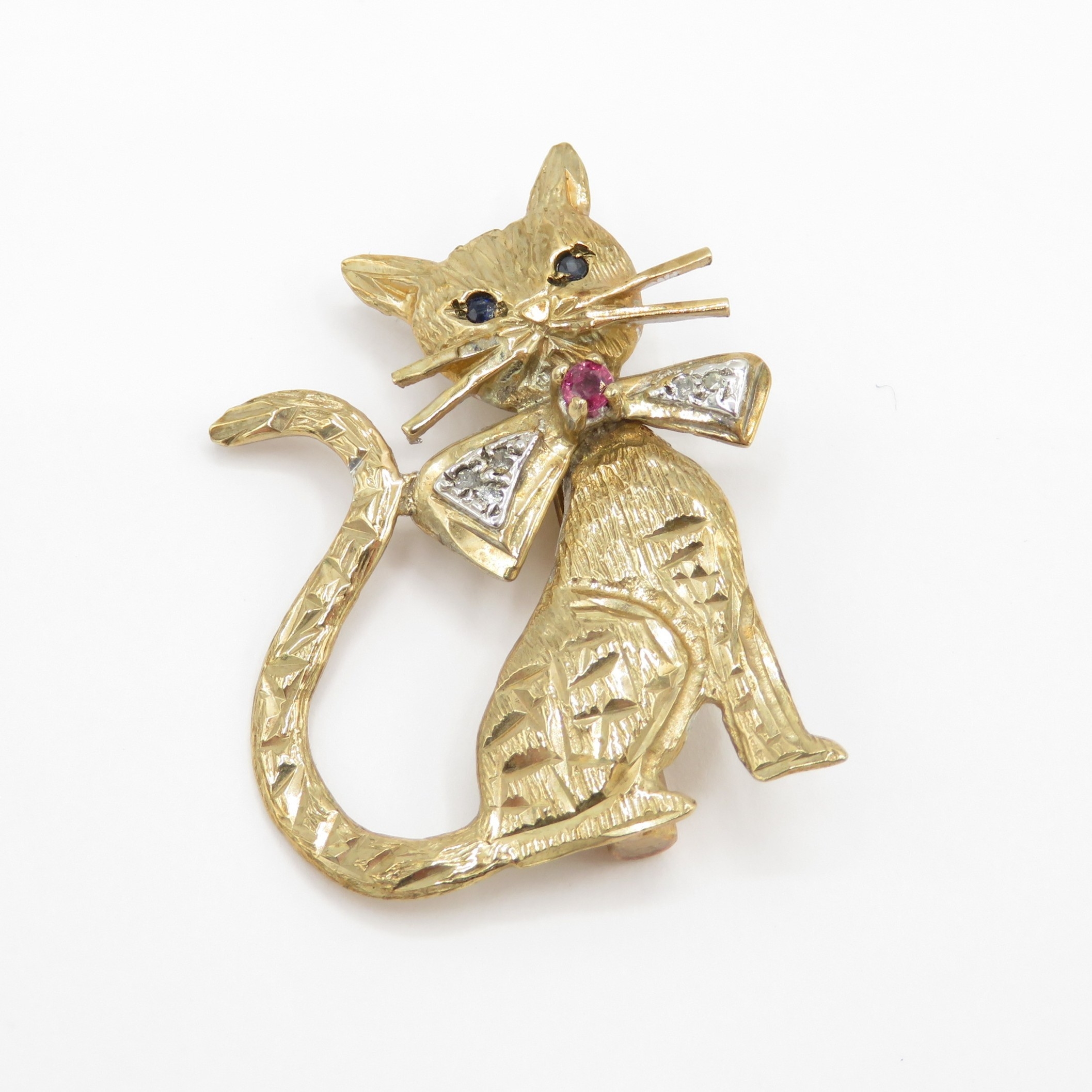
Primary live lot today
9ct gold vintage sapphire, ruby & diamond cat brooch, 4.5g, Lot 2
Auction house: Alnwick Auctions
View live lot listing
Estimate: £240–£280
Why this lot is interesting
Animal jewellery is one of the few parts of the vintage market where sentiment and resale reality meet in plain sight. Buyers do not need a long lecture to know why a cat brooch works: it is wearable, conversational, giftable, and far easier to live with than a larger statement jewel. The trap is that whimsical design often softens scrutiny. A nice feline face can hide a tired clasp, uneven replacement stones, or a back that tells a much rougher story than the front.
This Alnwick example earns its place because the photographs go beyond a single glamour shot. You can assess the coloured stones, the spread of the body, how the diamonds read in relation to the surrounding gold, and whether the pin mechanism looks straight and serviceable. That matters because novelty brooches only hold value if they remain easy to wear. If the charm survives but the engineering does not, the bid should cool quickly.
Who buys this and why
- Vintage jewellery buyers: attracted by a wearable 9ct piece with enough gemstone interest to feel more substantial than plain novelty jewellery.
- Cat lovers buying across collecting and gifting lanes: drawn to recognisable animal character and the fact that a brooch can work as a lapel piece, scarf pin, or box-kept occasion jewel.
- Dealers and resale-minded buyers: interested if the clasp, setting integrity, and stone match suggest low post-sale intervention costs.
Photo checklist: what to inspect
- Clasp and hinge: zoom in on the reverse to see whether the pin sits straight, the catch closes cleanly, and the hinge looks original rather than later replaced.
- Stone match: check whether the sapphires and rubies look consistent in colour and cut, or whether one or two read as later substitutions.
- Diamond brightness versus wear: uneven sparkle can mean dirt, wear to settings, or mixed replacement stones rather than natural variation alone.
- Gold surface: look for thinning at protruding edges, solder marks, or dull patches that may signal repair or resizing work around the mount.
- Face and paws: novelty pieces live or die on expression. Chips, rubbed detail, or bent extremities are more damaging here than on a plainer brooch.
- Scale honesty: remember the catalogue weight is 4.5g. Small gold pieces can look chunkier in isolated product shots than they do in hand.
Comparator lots (same collecting lane)
- 9ct gold vintage garnet dress ring, Lot 1 — Auction house: Alnwick Auctions. view lot
- 18ct gold diamond dress ring, Lot 3 — Auction house: Alnwick Auctions. view lot
- 9ct gold opal & diamond pendant necklace, Lot 4 — Auction house: Alnwick Auctions. view lot
UK media & culture context
Brooches are having a very British return because they sit neatly between fashion styling and inherited-jewellery nostalgia. This cat example also taps into a longer local habit of treating animal jewellery as more than novelty. When the subject is right, buyers read it as character, not kitsch.
- British Vogue on brooches as an autumn/winter 2026 jewellery trend — useful evidence that brooches are back in visible UK fashion circulation rather than stuck in the dressing-up box.
- Science Museum Group: black cat amulet brooch — a neat reminder that cat brooches already have a British object-history lane rooted in luck, sentiment, and personal display.
- JCK on the UK brooch revival — a practical market-pulse reference pointing to a recent surge in UK search interest around brooches.
Bottom line
This is a cheerful lot, but it should still be bought like a grown-up piece of jewellery. The multiple close images give buyers a fair chance to inspect the clasp, the stone match, and whether the brooch has been repaired hard or simply worn honestly. If the reverse looks clean and the stones appear consistent, the estimate feels sensible for a vintage 9ct piece with genuine gift and resale appeal. If the pin fitting looks tired or the coloured stones start telling different stories from one another, let somebody else pay for the cat.
Editorial analysis for educational purposes only. Final bidding decisions, fees, tax, shipping, and contract terms are handled by the auction house.