
Daily Deep Dive · 20 Mar 2026 · Ceramics
Lot Spotlight: Mohamed Hamid Star Pottery centre bowl (Lot 363) and the brushwork, glaze break, and scale checks that matter before bidding on British studio ceramics
Burstow & Hewett photographs this bowl well enough to make the real questions visible. You can read the broad open form, the sweep of the brushwork, and the surface character closely enough to decide whether this is controlled British studio pottery with genuine presence or simply a large decorative bowl asking for too much faith.
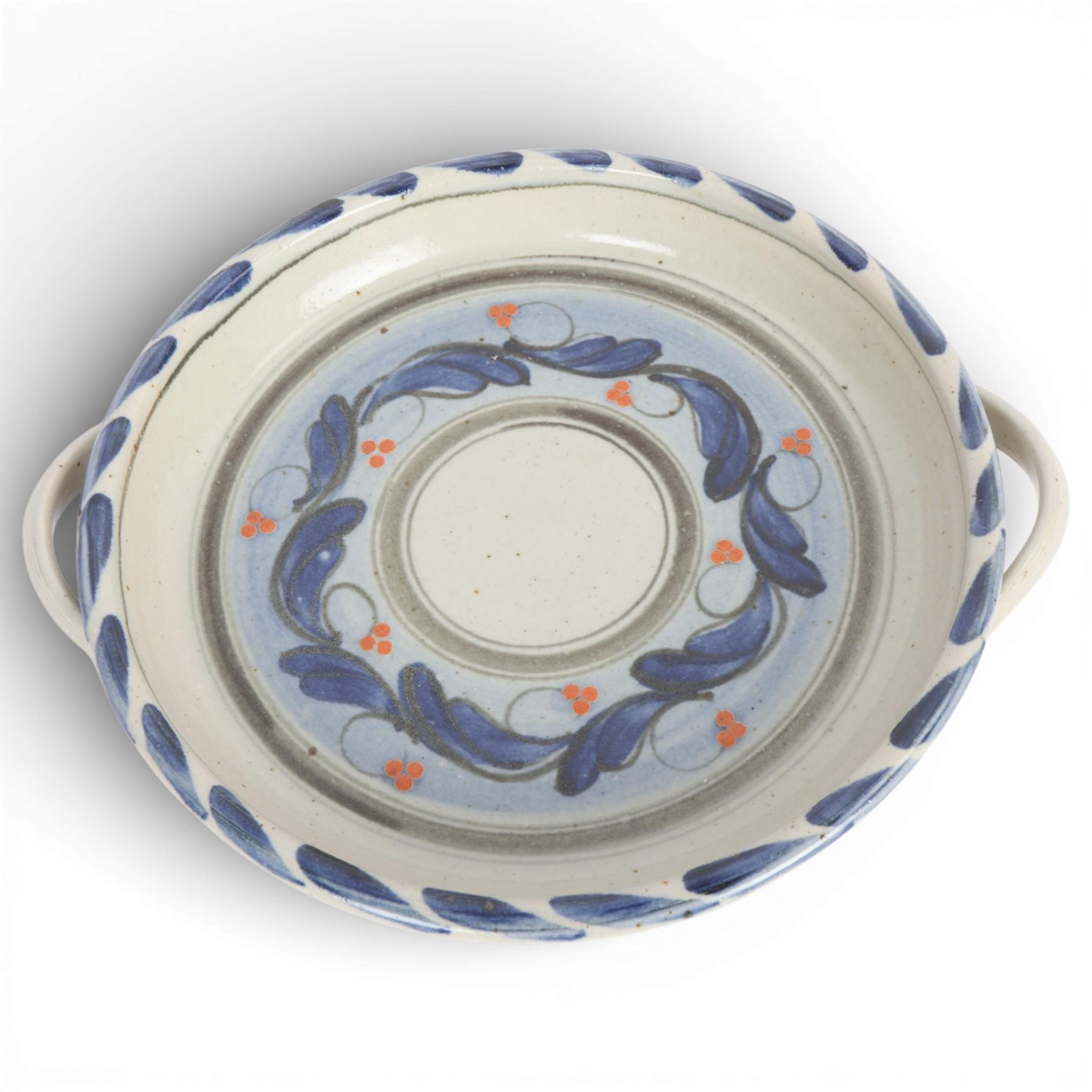
Primary live lot today
MOHAMED HAMID, Star Pottery, Lewes, a large stoneware centre bowl with brushwork decoration, Lot 363
Auction house: Burstow & Hewett
View live lot listing
Why this lot is interesting
Large studio bowls earn attention for a simple reason: they ask a maker to get several hard things right at once. The form has to stay balanced at scale, the foot has to support the mass without looking clumsy, and the surface has to hold interest from across a room and up close. That is why this Mohamed Hamid bowl is a useful buying exercise. It is not relying on novelty, a fussy shape, or a fashionable label alone. It lives or dies on proportion, material confidence, and how decisively the brushwork sits on the clay body.
That also makes it practical. Buyers for British studio pottery often want one piece that can do real visual work in a room without becoming overbearing. A broad centre bowl can do that brilliantly when the glaze has depth and the decoration moves cleanly around the body. When it is weak, however, it quickly becomes a big object looking for an alibi. This Burstow & Hewett example is interesting because the photography suggests enough clarity to test that distinction before the sale, rather than forcing buyers to rely on optimism.
Who buys this and why
- Studio pottery collectors: drawn by the maker attribution, the scale, and the chance to buy a piece where surface handling appears to matter more than catalogue hype.
- Interior-led buyers: interested because a confident centre bowl can anchor a table, sideboard, or shelf with more authority than a smaller cabinet vase.
- Dealers and decorators: attracted if the glaze reads cleanly, the foot looks honest, and the bowl feels decorative enough to place quickly without heavy restoration risk.
Photo checklist: what to inspect
- Rim line and warping: with open bowls, a slightly unsettled rim can be part of the appeal, but obvious distortion can also signal that the form never quite resolved.
- Brushwork confidence: check whether the decoration has rhythm and intent or whether it looks hesitant and patchy once you move beyond the hero shot.
- Glaze break and pooling: look for variation at the shoulder, rim, and interior. Good studio work often rewards close inspection; dead, flat surfaces usually do not improve in person.
- Foot and underside honesty: make sure the base feels proportionate to the bowl and shows no worrying knocks, grinding, or later tidying-up that could hide damage.
- Interior wear: broad serving and display bowls can pick up scratches, knife marks, or stacked abrasion that are easy to miss if photographs stay mostly frontal.
- Display scale: a large bowl needs a real place to live. Check dimensions carefully so the piece reads as deliberate, not oversized, in a domestic setting.
Comparator lots (same category)
- ANDREW CROUCH (b.1955), a studio pottery stoneware vase with fluted sides and celadon glaze, Lot 364 — Auction house: Burstow & Hewett. view lot
- THOMAS PLOWMAN (b.1934-), a tall Stalham pottery stoneware sectional vase, Lot 73 — Auction house: Burstow & Hewett. view lot
- Phil Rogers (1951–2020), a studio pottery ash glaze slab bottle with four yunomi / tea bowls, Lot 45 — Auction house: Burstow & Hewett. view lot
UK media & culture context
British studio ceramics sit in that useful zone where collecting, decorating, and everyday domestic life overlap. They appeal partly because they feel rooted in the British habit of living with handmade things rather than sealing them behind glass. A substantial centre bowl fits that tradition neatly: decorative enough to register instantly, practical enough to feel at home in a real room, and serious enough for collectors to care about maker, firing, and surface.
- V&A: Studio pottery in Britain — useful context for how British studio ceramics moved from workshop practice into mainstream collecting and interiors culture.
- Crafts Council: guide to collecting craft ceramics — a practical UK lens on why buyers focus on maker identity, material honesty, and use-value as much as decoration.
- Barnebys realised-price search for studio pottery — market pulse showing the breadth of the secondary market and how widely results can move once attribution, condition, and scale come into play.
Bottom line
This is a good example of the kind of studio ceramic that rewards calm inspection rather than romantic bidding. The form is broad, the maker is named, and the brushwork gives the piece enough personality to justify a closer look. But large bowls are unforgiving if the glaze is lifeless, the rim feels unresolved, or the foot has taken hard knocks. If the photographs hold up under zoom and the bowl still reads as controlled rather than merely big, this is the sort of British studio pottery lot that can make real decorative and collecting sense at the right money.
Editorial analysis for educational purposes only. Final bidding decisions, fees, tax, shipping, and contract terms are handled by the auction house.