
Daily Deep Dive · 9 Apr 2026 · Jewellery
Lot Spotlight: a modern 18ct sapphire and diamond triple cluster ring (Lot 499), and why this bid only works if the three-head layout still looks disciplined rather than overbuilt
Bulstrodes Auctions has listed the kind of ring that can turn buyers sentimental very quickly: three sapphire-and-diamond clusters spread across the finger, a decent 18ct gold weight, and enough photography to judge whether the sparkle is coming from lively stones and tidy claw work or simply from a flattering catalogue setup. The estimate is not wild, but it is high enough that elegance matters more than raw gemstone count.
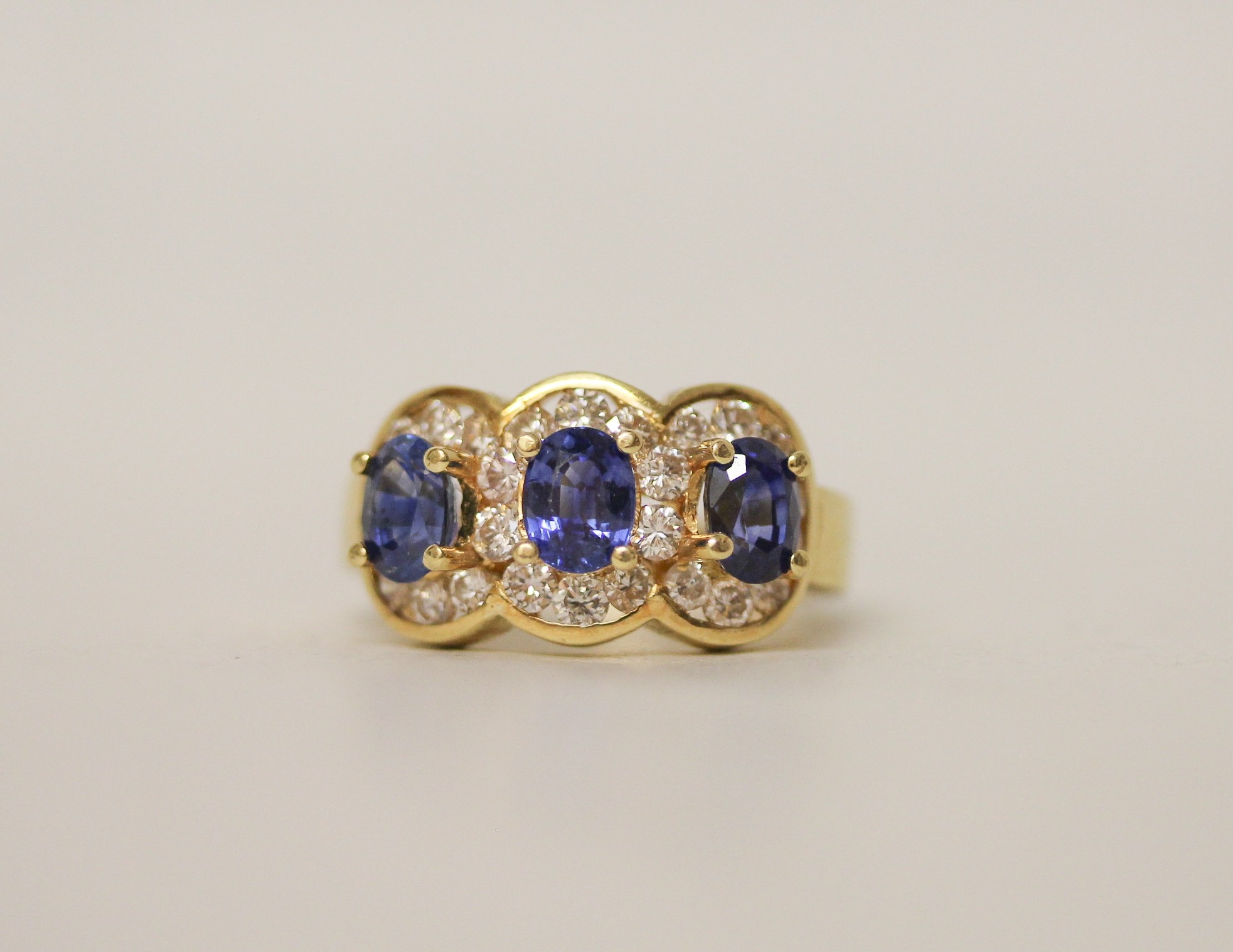
Primary live lot today
A modern 18ct three stone sapphire and diamond triple cluster ring, ring size O/P, 8.5 grams, Lot 499
Auction house: Bulstrodes Auctions
View live lot listing
Estimate: £400–£500
Auction date in listing: 9 Apr 2026
Why this lot is interesting
Triple cluster rings live in a useful middle ground. They offer more visual event than a single-stone ring, but they do not need old-masterpiece money to be persuasive. This Bulstrodes example is interesting because the broad spread and 8.5g weight suggest presence, while the photographs are clear enough to ask the only question that matters: do the three heads read as balanced and wearable, or as a slightly heavy-handed attempt to shout luxury from across the room?
The attraction is obvious. Rich blue stones and diamond surrounds have one of those stubbornly British jewellery-house combinations that never really goes out of fashion, a bit like the visual shorthand of a Fortnum box or a Jermyn Street window. But colour alone is not enough. The best examples still look composed when you inspect the gallery, shoulders, spacing, and claw work. If the ring only works from one front-on glamour angle, the right bid is lower than romance wants it to be.
Who buys this and why
- Classic jewellery buyers: the three-cluster layout scratches the same itch as traditional sapphire-and-diamond dress rings, but with more finger coverage than a modest single head.
- Gift buyers trading up from retail: an 18ct ring with real visual spread can feel more special than a brand-new high-street piece at comparable money.
- Vintage and pre-owned jewellery dealers: interested if the stones remain lively and the ring can go back into stock without expensive claw, polish, or resize headaches.
What to inspect in the photos
- Head spacing: the three clusters should sit in conversation with each other, not bunch together like a traffic jam across the finger.
- Sapphire colour match: look for consistency in tone and saturation. A mismatch can make one head feel like a replacement actor in the final episode.
- Diamond liveliness: you want brightness around the sapphires, not a halo that reads dull or glassy once the lighting stops doing the heavy lifting.
- Claw and collet neatness: uneven claws or tired settings are exactly the sort of repair bill that can turn a sensible buy into an irritating one.
- Gallery depth and wearability: side views matter. A broad ring can be glorious, but only if it still sits low and comfortably enough to wear in ordinary life.
- Shank condition: at 8.5g the gold weight sounds healthy, so check whether the band still looks evenly rounded and not thinned from years of resizing or hard wear.
Comparator lots
These comparators stay in the sapphire-and-diamond ring lane but show how similar money can buy very different propositions: broader modern drama, a smaller traditional cluster, or a cleaner classic ring with less visual spread.
- An 18ct gold sapphire and diamond cluster ring, size N, weight 4gms, Lot 757 — Auction house: The Great Western Auctions Ltd. Estimate: £200–£300. view lot
- A diamond and sapphire ring, 18ct gold, size P, 3.8gms, Lot 34 — Auction house: Whitton & Laing. Estimate: £500–£600. view lot
- Diamond & sapphire cluster ring, an 18ct yellow gold ring set with sapphires surrounded by diamonds, Lot 284 — Auction house: Jefferys Auctions. Estimate: £350–£400. view lot
UK media & culture context
Sapphire-and-diamond jewellery has always had strong British staying power because it feels simultaneously formal and familiar. In the right setting it gives a little stately-home energy; in the wrong one it becomes the jewellery equivalent of putting crushed velvet on everything and calling it taste. Triple clusters are especially revealing because they need proportion. Think less panto crown, more measured West End costume department.
- V&A jewellery collection overview — useful context for how gemstone cluster settings have been used across decorative and dress jewellery traditions.
- The Assay Office London: guide to UK hallmarks — worth revisiting any time an 18ct ring is being priced partly on what the marks prove.
- GIA: sapphire quality factors — a practical reminder that colour, clarity, and cut discipline still matter more than a dramatic catalogue pose.
Bottom line
This is a credible jewellery lot if you want finger coverage, traditional sapphire-and-diamond appeal, and enough gold to make the piece feel substantial. The bid makes sense if the three clusters stay balanced, the sapphires look evenly coloured, and the side profile suggests a ring you would actually enjoy wearing rather than merely admiring in a box. If the structure starts to feel bulky or the stones look tired under closer inspection, let somebody else pay for the first hit of sparkle.
Editorial analysis for educational purposes only. Final bidding decisions, fees, tax, shipping, collection, condition verification, and contract terms are handled by the auction house.