
Daily Deep Dive · 14 Apr 2026 · Ceramics
Lot Spotlight: a Troika square vase signed SL for Sue Lowe (Lot 289), and why the buying edge is in the mark, not the size
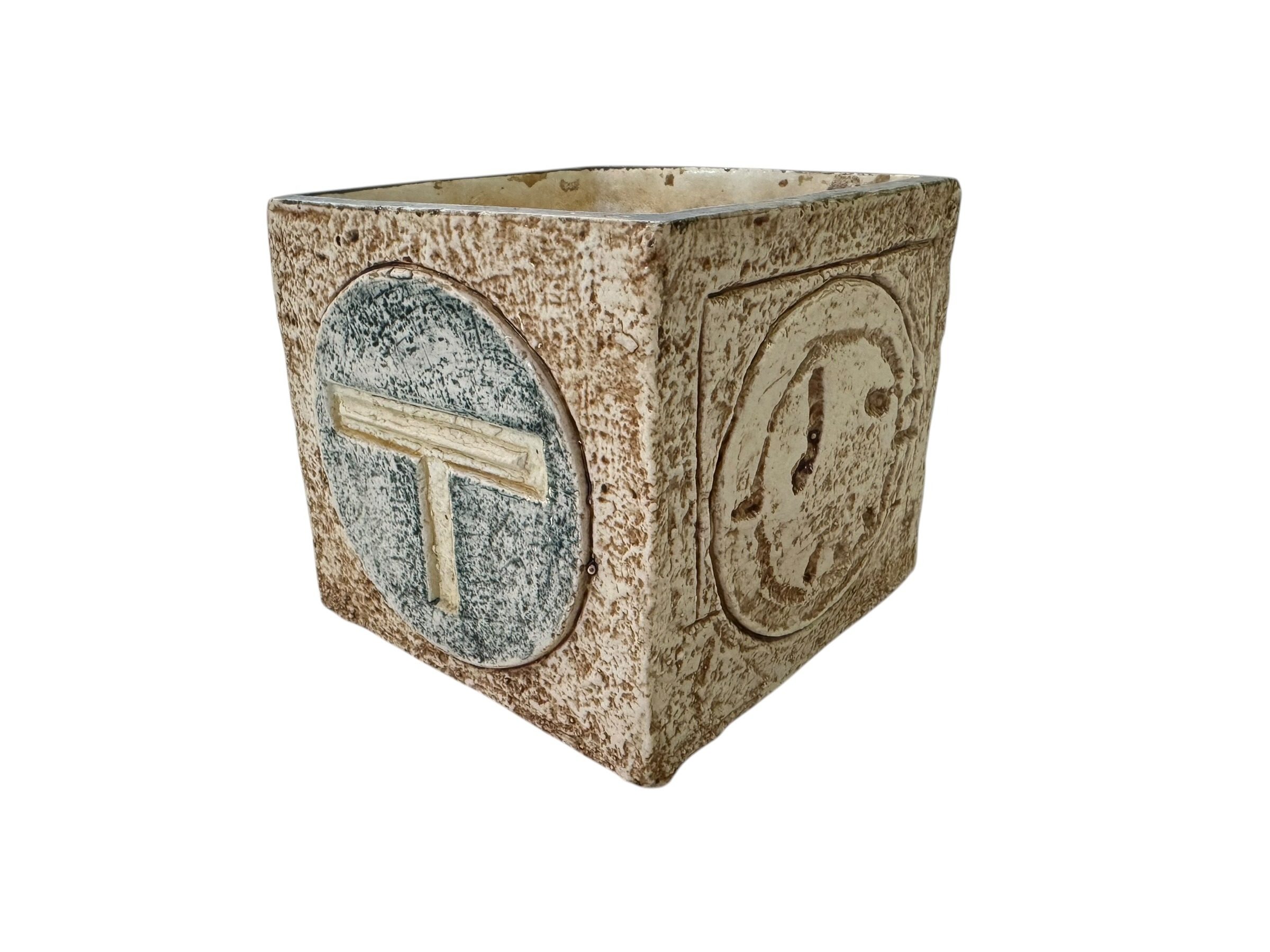
Small Troika pieces can be dangerously easy to underestimate. Thomas Watson’s 8cm square vase is not a grand statement object, but it is exactly the sort of Cornish studio pottery lot that makes disciplined buyers look clever: a recognisable Sue Lowe piece, clean geometric decoration, and enough photography to judge whether the signature, surface, and edges support the estimate without asking you to pay monument money for a modest form.
Primary live lot today
Troika square vase signed SL for Sue Lowe, 8cm, Lot 289
Auction house: Thomas Watson
View live lot listing
Estimate: £100–£150
Auction date in listing: 14 Apr 2026
Why this lot is interesting
Troika’s smaller vases sit in a sweet spot that larger statement pieces sometimes miss. They are easier to place, easier to justify, and often bought by people who care about the hand that made them as much as the silhouette itself. This square vase is interesting because the Sue Lowe signature gives the lot a sharper collecting lane than an anonymous geometric studio pot, while the compact shape keeps the estimate in territory where private buyers and dealers can still move decisively.
The real appeal is that it looks composed rather than fussy. The patterning reads cleanly on a tight cubic form, and the photos show enough of the base and surfaces to make this about evidence instead of wishful thinking. Troika has one of those British post-war design reputations that can cause buyers to overpay for the name alone, a bit like falling for a Mini Cooper because it is on the poster rather than because the panel gaps line up. Here, the sensible move is the opposite: use the modest scale to stay cold-blooded and reward the lot only if the signature, corners, and surface all hold up.
Who buys this and why
- Troika collectors: buyers who want a signed maker piece without stepping straight into the bigger and more expensive architectural forms.
- Design-led interiors buyers: attracted to the crisp Cornish geometry and the fact that a small cube vase can sit happily on a shelf, desk, or side table without needing a whole room rearranged around it.
- Dealers and trade buyers: interested if the signature is clear, the corners are honest, and the vase can go straight back into stock without restoration drama.
Where the risk sits
- Signature clarity: the SL mark matters here. Make sure it reads cleanly and consistently rather than looking blurred, rubbed, or photographed too flattering.
- Edge knocks: compact geometric Troika forms suffer most at corners and top edges. Tiny bruises can change the feel of the piece quickly.
- Surface freshness: look for glaze wear, scratches, or rubbed high points that flatten the design.
- Base honesty: the base should help the story, not muddy it. Check for clean photos of the underside and any signs of later grinding or awkward repair.
- Pattern balance: with a small vase, the decoration has to carry the object. You want disciplined placement, not a pattern that feels cramped once you stop admiring the name.
Comparator lots
These comparators keep to the Troika pottery lane but widen the buying question: do you want a signed small-form cube, a taller coffin shape with more wall for decoration, or a cheaper larger-form gamble from another house?
- Troika coffin vase with domino design, 17cm, Lot 285 — Auction house: Thomas Watson. Estimate: £80–£120. view lot
- A 1970's Troika Pottery Cornwall “Spice Jar” vase with moulded and incised abstract decoration, Lot 1279 — Auction house: Rendells LLP. Estimate: £50–£100. view lot
UK media & culture context
Troika still lands so well with British buyers because it belongs to a very specific post-war Cornwall story: studio pottery that managed to feel modern, handmade, and slightly architectural all at once. The best pieces still look like they were designed for a smart shelf in a serious house rather than a themed nostalgia corner. If you need a mental image, think less souvenir shop, more the kind of object that would not look out of place in the background of a cool BBC set designer’s 1970s sitting room.
- Cornish Ceramics on Troika Pottery — useful for the St Ives to Newlyn production story and the maker-mark collecting lane that gives Sue Lowe pieces their own audience.
- St Ives Town Council: blue plaque for Benny Sirota — a neat reminder that Troika remains part of living Cornish design memory, not just the secondary market.
- World Collectors Net: Troika pottery collector’s guide — a practical read on why marks, decorators, and form families still split the market.
Bottom line
This is a good small-object ceramics lot, not a heroic one, and that is exactly why I like it. The estimate leaves room for disciplined bidding, the photography is strong enough to reward close looking, and the Sue Lowe signature gives the vase a real collecting argument. If the corners stay clean and the base confirms the story, this is the sort of Troika buy that can feel smarter in a year than it does in the heat of the sale.
Editorial analysis for educational purposes only. Final bidding decisions, fees, tax, shipping, collection, condition verification, and contract terms are handled by the auction house.