
Daily Deep Dive · 11 Aug 2026 · Ceramics
Lot Spotlight: a Ray Finch charger that has to look as settled on the back as it does on the front
British studio pottery can get sentimental very quickly once the word Winchcombe appears in a catalogue. Cotswold Auction Company has a live Ray Finch stoneware charger, Lot 39, estimated at £50-£80 and backed by three verified full-size catalogue images, with the lead view at 2000x1357 and the supporting views at 2000x1869 and 2000x1937. That is enough to turn this into a proper judgement call rather than a heritage reflex, because a charger like this only earns its keep when the blue Nuka trailing still has rhythm, the iron glaze keeps its warmth, and the reverse confirms a calm, honest pot instead of leaving the maker name to do all the work.
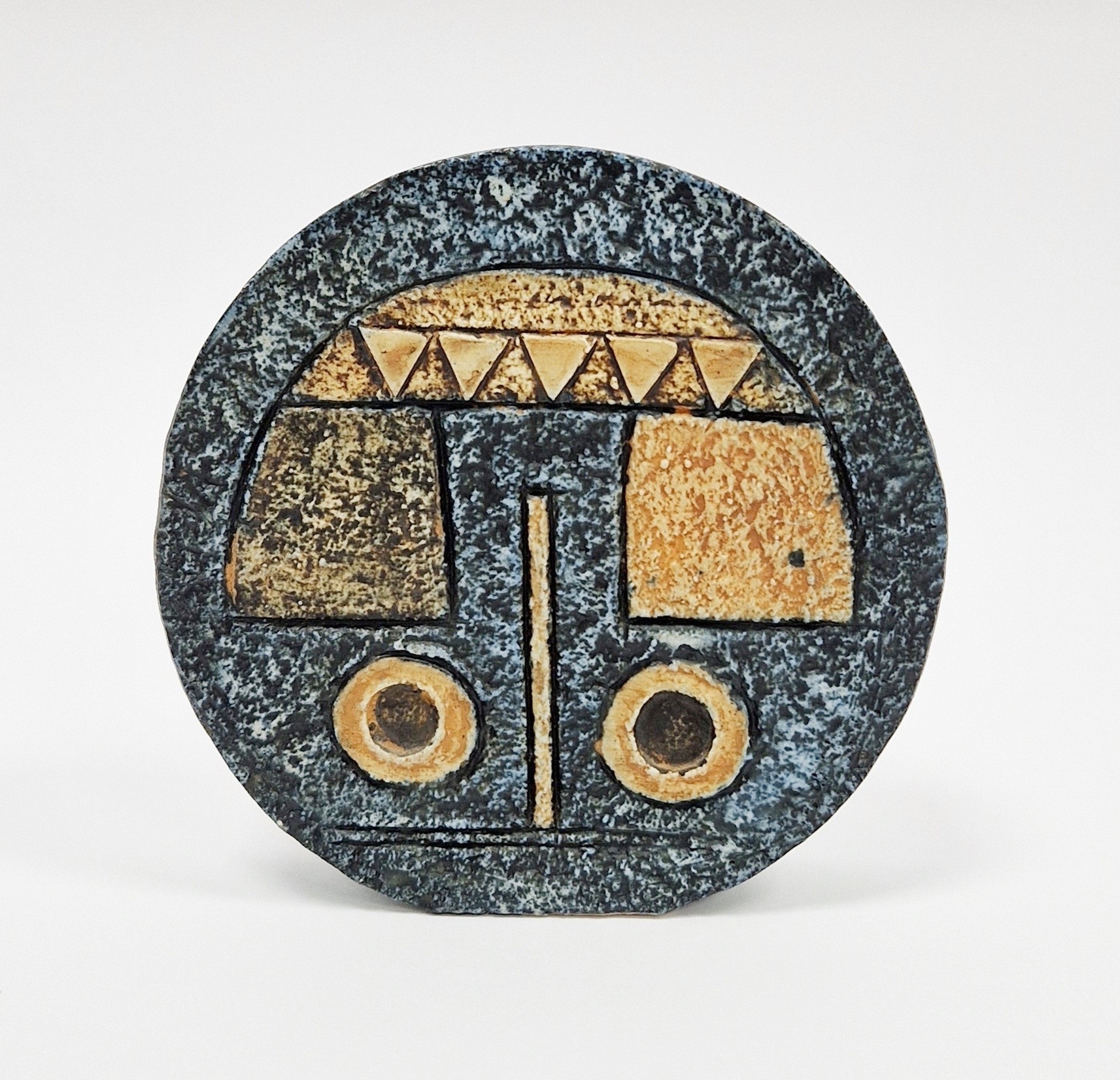
Primary live lot today
Ray Finch for Winchcombe pottery, a stoneware charger, Lot 39
Auction house: Cotswold Auction Company
View live lot listing
Estimate: £50-£80
Auction timing shown in the sale details: Tue 11th August 2026 from 10am BST
Catalogue detail: Ray Finch (1914-2012) for Winchcombe pottery, a stoneware charger, enriched in an iron glaze with trailed blue Nuka decoration, impressed seal, 36cm diameter
Photo coverage: three verified full-size catalogue images, including a full reverse view
Why this lot is interesting
The estimate is where this becomes attractive. Finch is one of those British studio pottery names that can scare private buyers into thinking every pot is expensive and tempt dealers into assuming every signed example is a free lunch. Neither is true. At this level you are not being asked to pay museum money. You are being asked to decide whether a fairly large, display-ready charger still carries the quiet conviction that makes Winchcombe worth owning in the first place.
This one has the right sort of tension. The front is restrained rather than showy: warm iron body, trailed blue decoration, no unnecessary fuss, and enough empty space for the brushwork to breathe. The reverse is what makes the lot genuinely usable. You can read the foot, the wear, the glaze pooling, and the general honesty of the pot. That matters because rustic studio pottery is easy to romanticise. A good charger should still feel deliberate once you flip it over.
Who buys this and why
- Collectors buying into the Cardew-Finch Winchcombe line: they want a named pot with enough scale to matter, but they still need the impressed seal, glaze quality, and overall calmness to justify the name.
- Interior buyers furnishing a pared-back country room or kitchen: they are buying a wall, dresser, or plate-rack object that reads as handmade authority rather than as generic rustic pottery.
- Dealers working the British studio middle market: they know a Ray Finch piece sells best when the pot looks resolved, the rim is clean, and the underside backs up the catalogue confidence.
Where the confidence should come from
- Read the rim from the angled front view first: any bright interruptions along that edge need slowing down, because a charger lives or dies on its circumference.
- Follow the blue Nuka trailing all the way round: it should feel sure-footed and rhythmic rather than hesitant, overworked, or broken by later wear.
- Use the reverse image properly: the footring and back glaze should look settled and honest, with wear that reads as age and handling rather than as neglect.
- Check the impressed seal area closely: the attribution is part of the buying case here, so ask for a sharper close-up if the mark matters to your ceiling.
- Decide whether the pale flecks on the reverse-edge areas are harmless firing character or small knocks: if you cannot make that call from the images, ask before bidding past estimate.
- Keep scale in mind: 36cm is large enough to display, but only if the dish still feels round, composed, and free from the slight distortions that start looking fussy once it is on a wall or stand.
Comparator lots
These links stay in the British studio pottery lane but change the buying question: same-maker utility versus display, Winchcombe lineage without Finch himself, and a sculptural alternative where form matters more than plate presence.
- Ray Finch for Winchcombe Pottery, a celadon glazed bowl with two companion vases, Lot 30 — Auction house: Cotswold Auction Company. Estimate: £30-£50. This is the straightest maker comparator because it stays with Finch while shifting from one large display surface to a small functional group. view lot
- Two Winchcombe Pottery stoneware compressed oviform vases by Eddie Hopkins, Lot 51 — Auction house: Cotswold Auction Company. Estimate: £50-£80. This is the pottery-lineage comparator. It keeps you inside the Winchcombe tradition while asking whether you want Finch authorship or the broader house character. view lot
- Alan Wallwork, a stoneware seed pod form vase, Lot 52 — Auction house: Cotswold Auction Company. Estimate: £100-£200. This is the form-first studio-pottery comparator. It shows what happens when the market is paying more for sculptural singularity than for quiet Winchcombe usefulness. view lot
UK culture context
Ray Finch still matters because Winchcombe pottery never relied on flamboyance. The official Winchcombe Pottery history is useful on that point: Finch joined Michael Cardew in 1936 and later carried the Gloucestershire pottery forward in a tradition built around durable forms and deeply considered glaze work. The Guardian's obituary goes further and explains why British buyers still respond to him. Finch is described there as one of the most respected British studio potters of the last half century, admired for work that kept faith with utility and glaze rather than with fashion. Orangehat Contemporary's Winchcombe overview is dealer-facing rather than institutional, but it is still useful because it maps the Cardew-to-Finch succession in plain terms and helps explain why Winchcombe still reads as a living British pottery tradition rather than as a sealed historical chapter. That is exactly why this charger is interesting. It is not dramatic enough to survive on decoration alone. Its appeal lives in restraint, proportion, and whether the pot still carries the kind of quiet authority British studio pottery collectors actually pay for.
- Winchcombe Pottery: History — direct background on Cardew, Finch, and the pottery's Gloucestershire lineage.
- The Guardian: Ray Finch obituary — strong UK media context on why Finch remains a serious studio pottery name rather than a merely local one.
- Orangehat Contemporary: Winchcombe Pottery — useful trade-side context on how the Cardew-Finch line is still presented to collectors and buyers.
Bottom line
This is worth pursuing if you want a named Ray Finch that still behaves like a pot first and a talking point second. At £50-£80 the entry is sensible, but only if the rim remains clean and the reverse view keeps reading as calm, honest studio work. If those pale interruptions around the edge turn out to be chips rather than harmless character, the charm thins quickly and the bid should do the same.
Editorial analysis for educational purposes only. Final bidding decisions, fees, tax, shipping, collection, condition confirmation, and contract terms are handled by the auction house.